.png)


Thanks to Frederick Taylor and other business thinkers at the turn of the 20th century, businesses, factories, and workplaces began to be designed as a machine rather than a living, changing ecosystem. Time studies honed the smallest tasks into the least amount of time. Assembly lines made people cogs in production systems that ran ‘round the clock, with even breaks synchronized so as not to disrupt production. We allowed our organizations to be automated, rigid, and run by human robots.
This is very good for producing a lot of stuff quickly and cheaply. With regular maintenance, it works for machines. However, it was very bad for the people within the factories, who were not machines, but humans. It was also bad for the humans outside of the factories, as the notion of “personal” and “peak” productivity spread to work far beyond the factory floor and then into all areas of our lives.
Workers everywhere, both blue and white and pink collar felt the need to be productive at every moment. Bosses became timekeepers. We slept less. We worked more. We crammed more and more into our lives while enjoying the fruits of our labor less and less. We felt guilty about moments of quiet, solitude, reflection, or even just goofing off.
At least I did.
Somewhere along the path to more productivity and higher profits and more output, we either forgot or disregarded the fact that we humans are not machines.
The hard truth is that as human beings, we are an integral part of nature and have our own natural cycles. Cycles that wax and wane. Cycles that produce fruit only after periods of dormancy. Cycles that are subject to the circadian rhythms of rest and activity.
Full confession: I have been (and can be) obsessed with personal productivity. I can feel very uneasy when I am not doing something productive or not getting the results that I want fast enough. I’ve stretched myself thin, neglecting sleep, rest or fun.
And I too, have looked askance at the thinkers, the dreamers, the dawdlers, or others who seem to be frittering their time away. Yet increasingly I wonder if our hyper-focus on productivity (at any cost) is not only counter-productive but counter to living fully as human beings.
When this mechanistic view of humans and our labor and our lives pervades how we frame our lives and our labor, we experience:
When we reframe human behavior in a more natural perspective we realize:
When we are “on” 24/7 (or as close to that as we can be), we descend into a downward spiral.

The key is to honor our humanness. To understand that productivity requires “routine maintenance” (sorry – had to get that one in). That we need time to rest, recover, reflect, and renew. That giving our bodies what they need is not selfish, lazy, or foolish. Instead, it is natural, needed, and part of the process.
For it is the ability to restore ourselves that can stop the downward cycle and pull us up into a better place. As humans, as workers, as friends or family members, we are better when we honor our human needs. We can counteract the downward spiral of “doing too much” by finding time to disconnect: to rest, to play, to read, to explore, to create, to do the things that on the surface are not designed to produce anything other than joy in one’s own life.
When you are grounded and rested – you have the emotional bandwidth to relate well. You roll with the punches, and you make sounder decisions. And all those things are additive, reversing the downward spiral and building, one step at a time, to a healthier and more natural state of being.
Believe me, I don’t have all the answers. As a “high achiever,” I struggle with this too. But I do know this: we need to design our lives (and our workplaces) with a deep respect for our humanness. To create space for just being and to be OK with less than 100% uptime. To give ourselves and others a break. To carve out time to rest, play, and not have a locked-down agenda for every waking moment.
The result will be clearer thinking, creative solutions, and stronger connections to other humans (and to Mother Nature herself). And I think that is exactly what this moment calls for.
A humble endnote:
I must admit that the draft of this was penned on a two-week vacation – no excuses. I also must admit that allowing time “to be” and not “to do” has been and continues to be a lifelong challenge.
Tips, ideas, and encouragement welcome!
You're invited to subscribe to Ripples a soulful weekly newsletter crafted to nourish your inner knowing and spark meaningful insights. Each issue includes a short musing, reflection questions, and handpicked resources for your journey. If you're ready to reconnect, reflect, and rise in community with other spirit-led women, join us—and let the ripples begin.
Join my Ripples Newsletter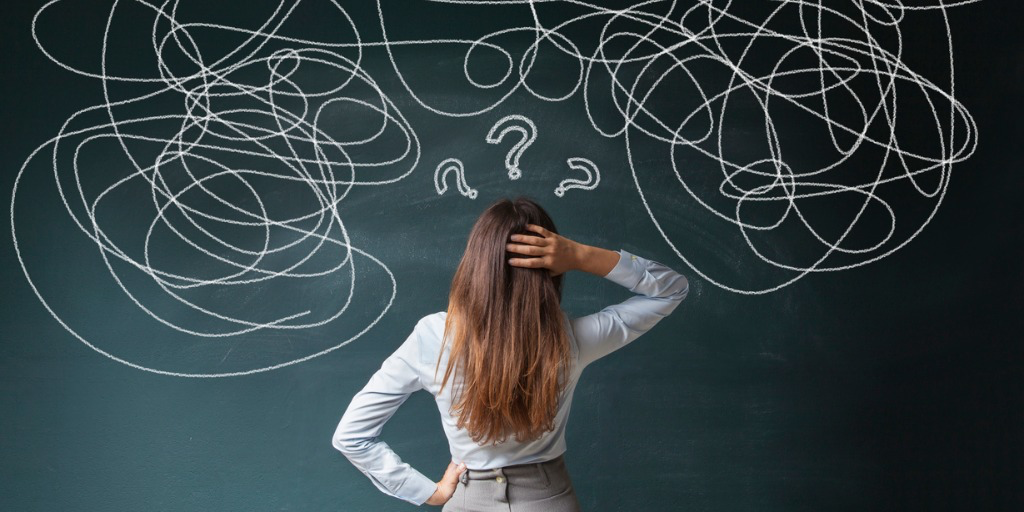
It’s been a hell of a day. I’m finally seventy miles in the air on a flight to D.C., then on to Indy — finally being the keyword.I’d spent the day in Savannah, Georgia, wrapping up a client’s strategic retreat. The plan was simple: finish by 4:30, get to the airport, and two-hop home to Indy by midnight. That was the plan — until it wasn’t.
Read this musing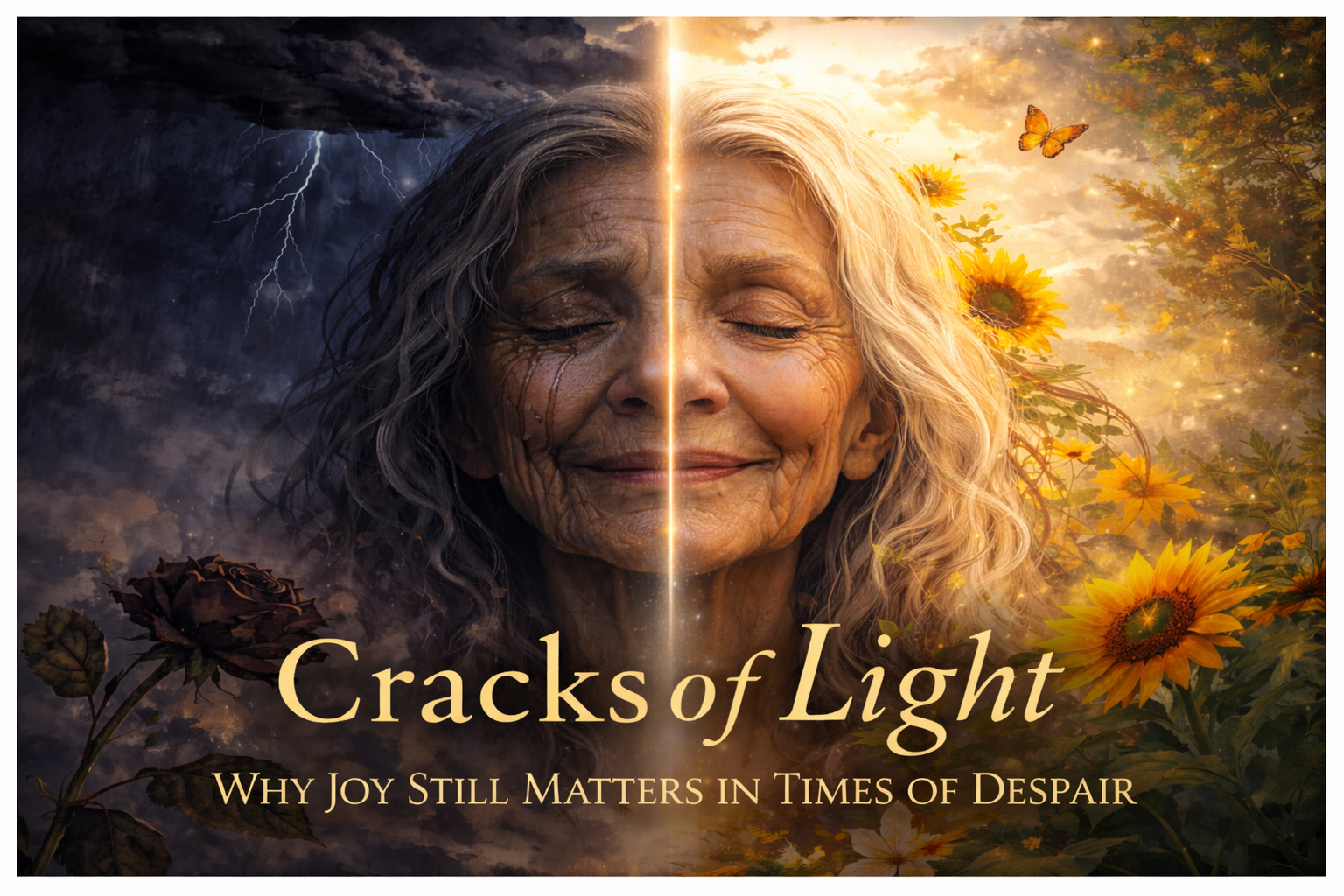
It’s Monday morning. 7 a.m. I sit at the kitchen table, gazing out at the dawn. It’s not quite light, but no longer dark. This in-between moment holds both the arrival of light and the retreat of night. And later, as the day dims into dusk, the cycle will reverse. This liminal time feels like a perfect metaphor for the emotions surrounding me lately. A reminder that opposites often co-exist — joy and despair, hope and fear, sadness and light. One woven into the other. One fades so the other may rise.
Read this musing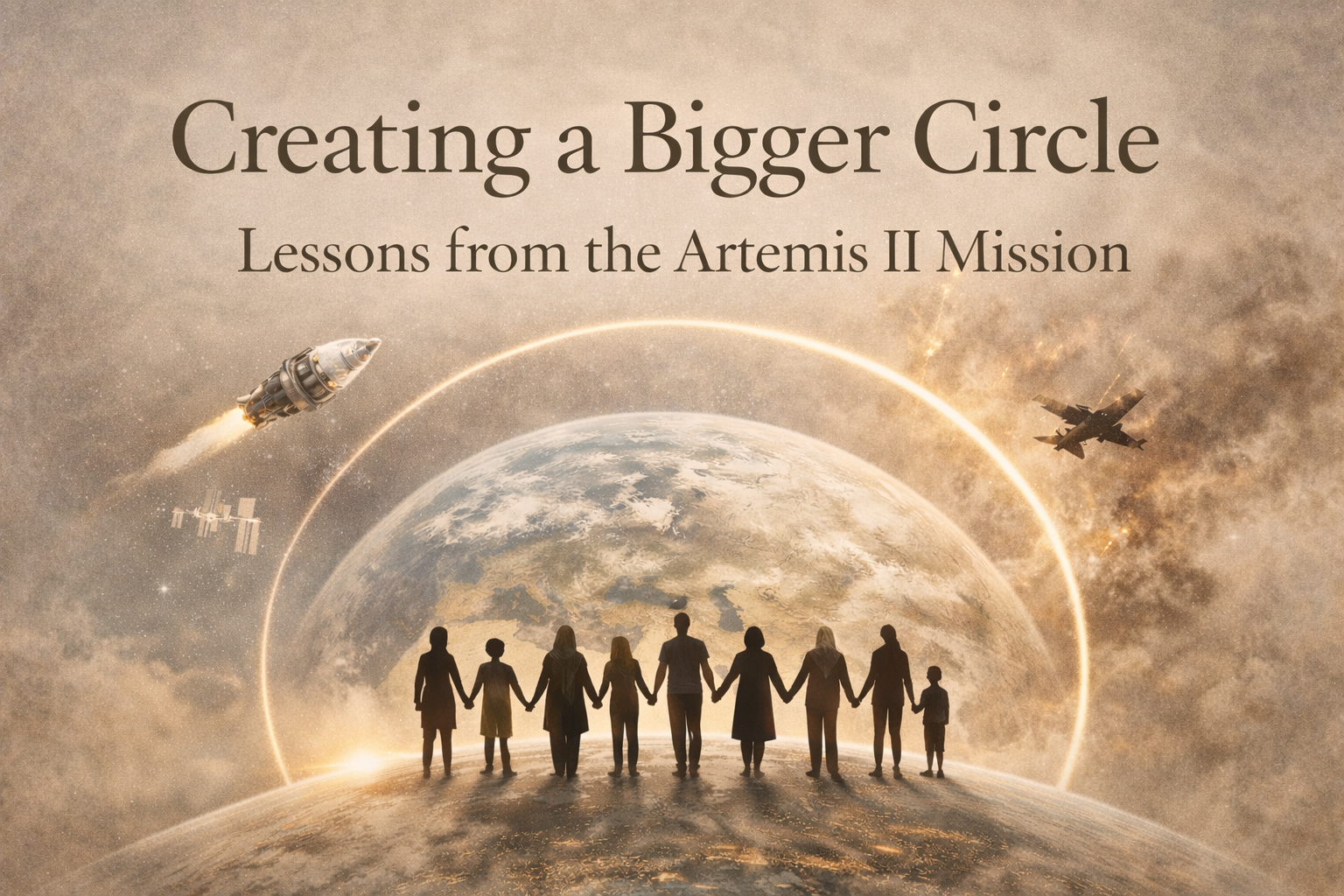
This musing contrasts the divisive rhetoric and fear-driven leadership on Earth with the unifying perspective of the Artemis II mission, reminding us that from space, humanity shares one interconnected home. The crew of the Artemis calls us to move beyond “us vs. them” thinking. What can we do to consciously choose love, compassion, and collective responsibility to help tip the world toward a more inclusive and hopeful future?
Read this musing
Receive weekly insights from my years of lived experience as a creative, entrepreneurial woman stepping into my gifts and passions.
Join my Ripples Newsletter